From local data to benefits for local communities
Local plans and forecasts shape better-informed network plans and investment, helping to deliver capacity when and where it is needed, better value, and benefits for communities.

Already making a difference in 2025/26:
-
Planned network investment brought forward at 170 locations.
-
Consumer benefits worth £94 million through flexibility – opening up potential local earning opportunities and helping keep bills down.
Follow your local data journey
1️⃣ Share your local plans and forecasts
2️⃣ See how local data informs network plans
3️⃣ View the network picture for your area
4️⃣ See the benefits for local communities
1. Share your local plans and forecasts
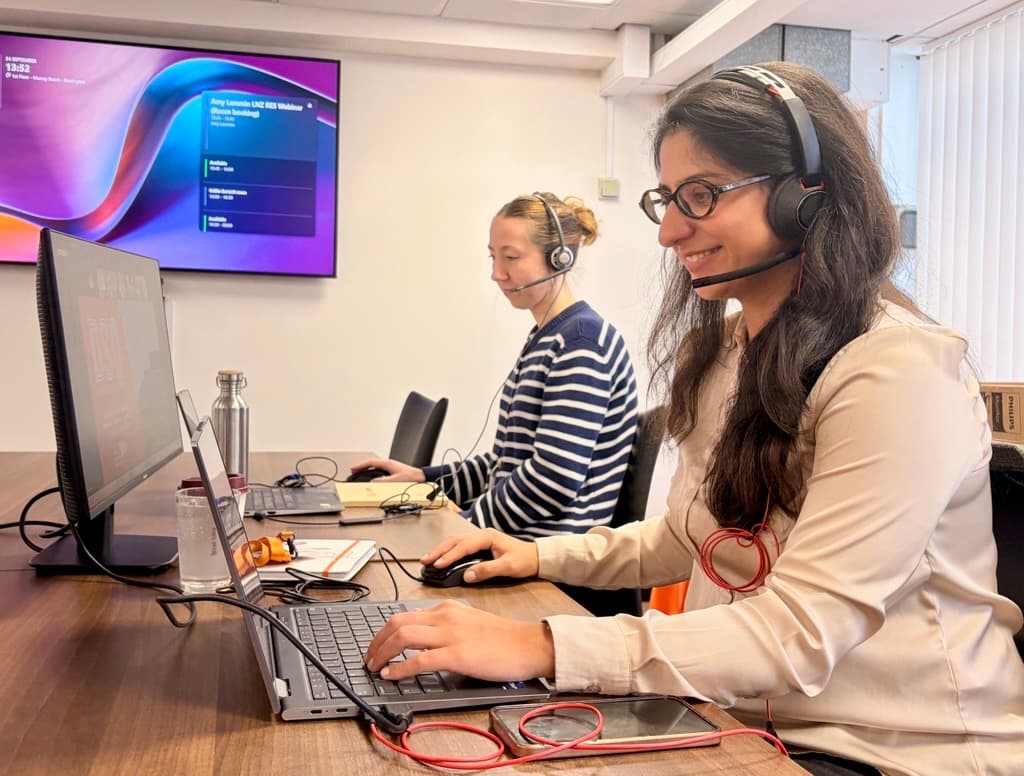
Share your local data with us as early as possible. You have six easy ways to share.
Our Distributed Future Energy Scenarios (DFES) is updated annually. Local data that has been collaboratively taken through the LAEP Support Framework to shape our forecasts. We are here to support you, book a 30min conversation or email.
2. From local data to network plans

We use your local data alongside our network forecasts to:
Strengthen our local energy forecasts:
Your data gives us a better local picture of how electricity use and generation could change. We use it to build different scenarios for your area up to 2050, including changes in electric vehicles, heat pumps and renewable generation.
Related output: Distribution Future Energy Scenarios – sets out the locally informed net zero scenario forecasts used to identify future network needs. Updated in February each year.
Please note, we must receive the data from you or your consultancy in good time to take it through our LAEP Support Framework. Speak to us to learn more about when this date may be each year.
Shape our long-term investment plans:
The best-value ways identified to provide capacity help shape our short and long-term plans for network upgrades and flexibility.
Related outputs:
-
Long Term Development Statement Infrastructure Projects – a closer 5-year view of major network developments. Updated in May and November each year.
-
Network Development Plan – a 10-year view of planned development and flexibility. Updated in May every two years.
Find the best-value way to provide capacity for you:
The locally informed forecasts show how electricity needs may change in each area. This helps us identify where and when the network may need more capacity to carry electricity safely to the communities. We can provide capacity by upgrading the network or using flexibility – paying eligible customers and businesses to change when they use or generate electricity. Sometimes we use both. Related outputs:
- Network Scenario Headroom Report (NSHR) – uses the locally informed forecasts to show future capacity at local substations and where and when more may be needed. Updated in May each year.
- Long-term System Needs Register and Distribution Network Options Assessment (DNOA) – the register lists locations where forecasts show a potential local capacity need. The DNOA then assesses each need, compares network upgrades, flexibility or both, and recommends the best-value option to reduce network costs and help keep electricity bills down. The Long-term System Needs Register is updated quarterly. The DNOA is updated in March and October each year.
3. View the network picture for your area

The Regional Energy Dashboard brings together forecasts, capacity information and network plans for your area.
Select your council area to explore:
-
How local electricity needs could change.
-
How much capacity local substations may have.
-
Where network developments may be planned.
-
Where flexibility opportunities may be available.
4. Benefits for local communities
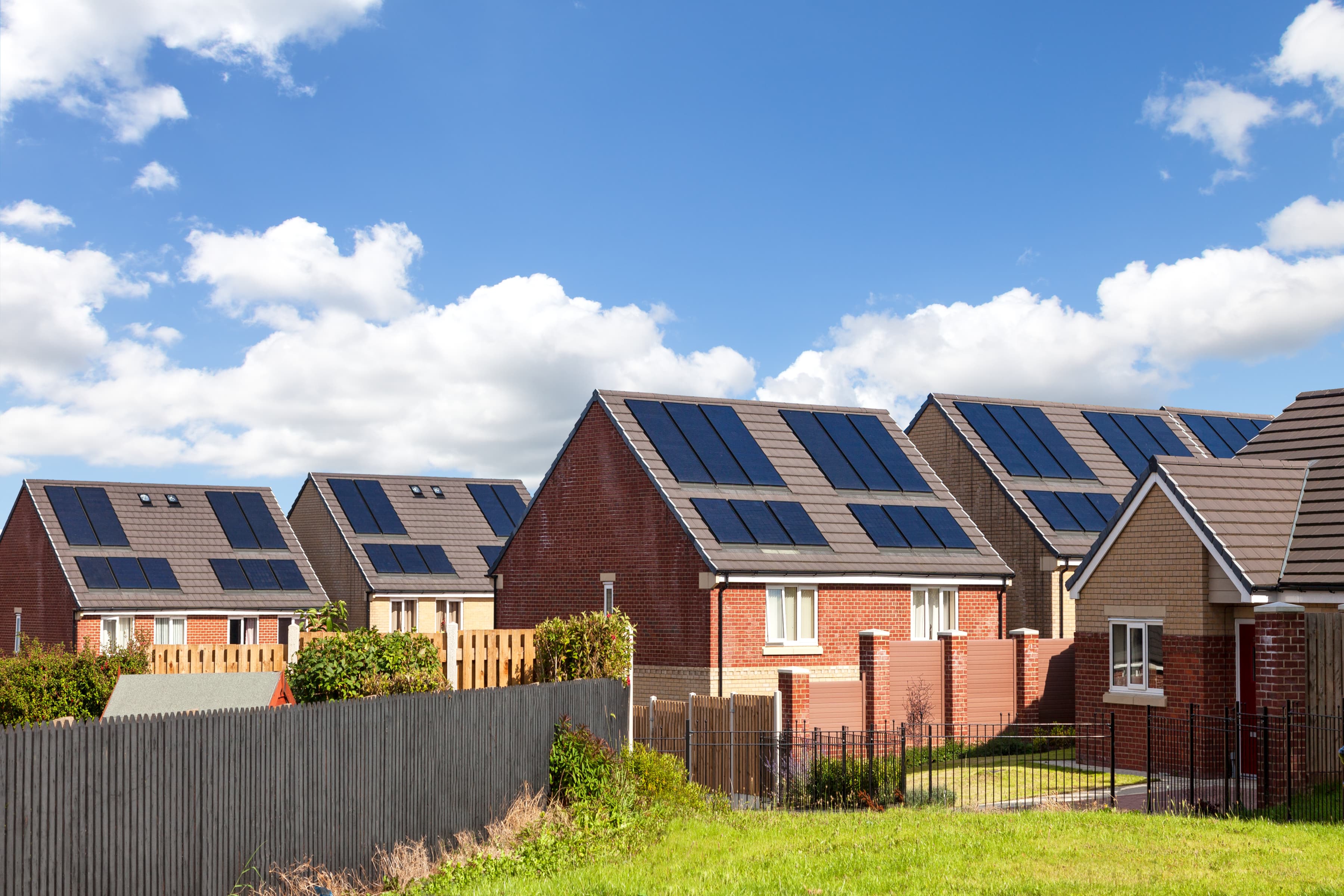
The forecasts and network plans help us invest at the right time, make better use of the existing network and deliver better value for communities.
Rewards through flexibility:
£94 million benefits to consumers
Local data helped us identify where flexibility could provide the best-value solution, creating paid opportunities for local businesses and residents. Flexibility can also avoid or delay more expensive network upgrades, helping keep electricity bills down.
